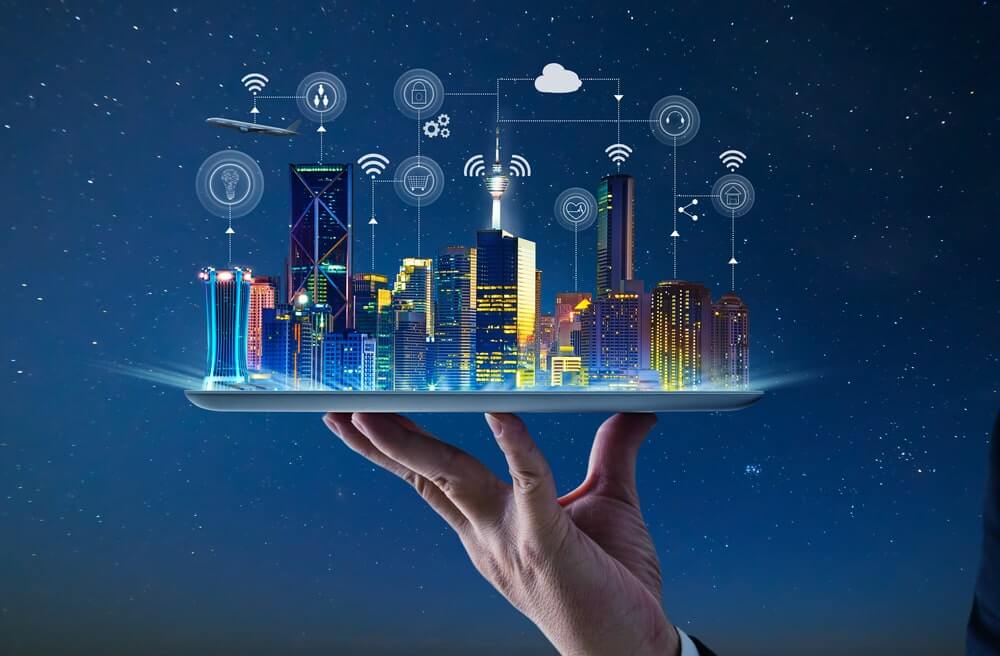
How Smart Technology is Reshaping Our Daily Routines
In today's fast-paced world, smart technology is playing a pivotal role in transforming our daily routines. From smart home devices to wearable gadgets, these innovations streamline tasks, enhance productivity, and promote convenience. For instance, with the integration of voice-activated assistants like Amazon Alexa or Google Assistant, users can control their home environment simply by speaking commands. This has not only revolutionized the way we manage household chores but also allows for greater energy efficiency, as devices like smart thermostats adjust settings automatically based on user preferences.
Moreover, the rise of smart technology extends beyond our homes; it has a significant impact on our health and fitness routines. Wearable devices such as fitness trackers and smartwatches enable individuals to monitor their physical activity, track heart rates, and even receive reminders for hydration and movement. These tools encourage a more active lifestyle by setting personalized goals and providing real-time feedback. As smart technology continues to evolve, it's clear that its integration into our daily lives not only enhances convenience but also fosters healthier habits, ultimately reshaping the way we approach our routines.
Counter-Strike is a popular team-based first-person shooter game that originated in the late 1990s. Players can choose to be part of either the terrorist or counter-terrorist team, engaging in various game modes that require strategy and teamwork. For those looking for great holiday presents, check out our Top 10 Tech Gifts for Travelers to find the perfect gifts for gamers on the go.
Are We Becoming Slaves to Our Smart Devices?
The rapid integration of smart devices into our daily lives raises a critical question: Are we becoming slaves to our smart devices? These gadgets, designed to enhance convenience and connectivity, often end up dictating our routines. From smartphones buzzing with notifications to smart speakers programmed to respond to our every command, it's easy to see how we might grow overly reliant on them. The line between usefulness and dependency is increasingly blurred, leading many to wonder if we are relinquishing our autonomy for the sake of efficiency.
This dependency on technology presents several potential drawbacks. For instance, studies have shown that excessive screen time can lead to issues such as decreased productivity, weakened social interactions, and even mental health challenges. As we become more engrossed in our devices, we risk losing touch with the world around us. Perhaps it is time to reflect on our relationship with technology and establish boundaries. By recognizing the signs of dependency, we can reclaim our time and focus on fostering genuine connections, balancing smart device usage with mindful presence.
Exploring the Impact of AI and Automation on Everyday Life
The integration of AI and automation into our daily lives has transformed the way we interact with technology and the world around us. From virtual assistants like Siri and Alexa to automated customer service processes, these advancements are streamlining tasks and enhancing productivity. For example, AI algorithms can now analyze user behavior to provide personalized recommendations on streaming services and e-commerce platforms, improving user experience and engagement. As automation becomes more prevalent in various sectors, such as transportation and manufacturing, we see a significant shift in job roles and skills needed in the workforce.
However, the effects of AI and automation are not solely positive. While they offer improved efficiency, there are growing concerns regarding job displacement and the ethical implications of reliance on technology. Many individuals fear that automation could lead to significant job losses in traditional roles, prompting a need for upskilling and reskilling in the workforce. According to a recent report, it is estimated that AI could disrupt approximately 30% of jobs by the year 2030. The challenge lies in balancing technological advancement with social responsibility, ensuring that the benefits of these innovations are shared across all segments of society.