The Science Behind Sleep Tracking: How Counting Sheep Can Help You Rest Better
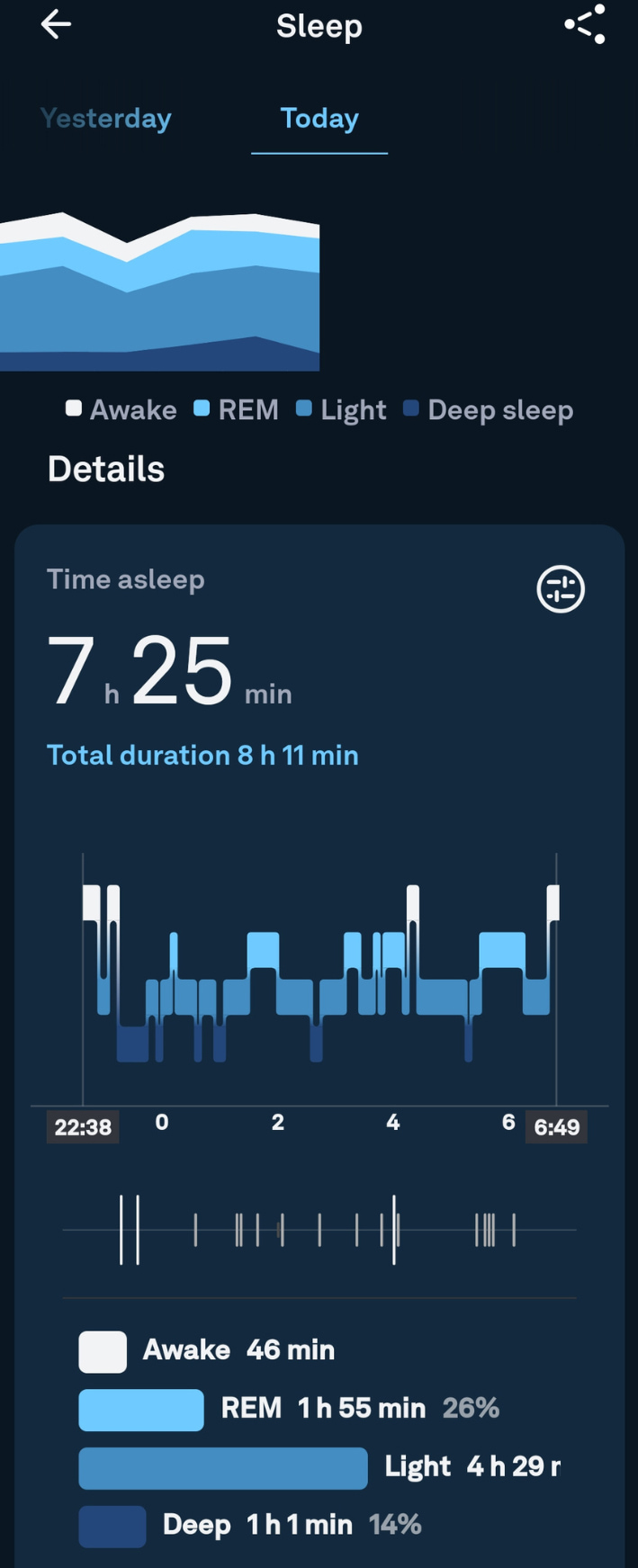
The science behind sleep tracking has opened up new avenues for understanding how we rest and the importance of quality sleep. Sleep tracking involves using wearable devices or smartphone apps to monitor various parameters such as duration, restfulness, and even heart rate during sleep. By paying attention to these metrics, individuals can identify patterns and make informed adjustments to their bedtime routines. Counting sheep, a traditional remedy for insomnia, symbolizes a more profound need to recognize and address the factors affecting our sleep quality.
Research indicates that tracking sleep leads to better sleep habits and improved overall well-being. For instance, consistent data collection can highlight trends that may go unnoticed, such as late-night screen time or caffeine consumption. Incorporating not just counting sheep but also mindfulness techniques can enhance relaxation and prepare the mind for a restful night. As we continue to explore the science behind sleep tracking, it becomes clear that these tools empower us to take control of our sleep health, promoting restorative rest and better daily function.
Counter-Strike is a popular first-person shooter game that has transformed the landscape of competitive gaming. Players can choose to take on the role of terrorists or counter-terrorists in a variety of game modes, with strategic teamwork being key to achieving victory. For those looking for comfort while sleeping, check out the Top 10 Apple Watch Bands for Sleep, which combines functionality with style.
Counting Stars vs. Counting Sheep: Which Sleep Tracking Method Works Best?
When it comes to tracking sleep, two common methods often come to mind: Counting Stars and Counting Sheep. The former is often associated with tracking your dreams and reflecting on positive experiences, while the latter is a traditional method intended to induce rest. Each method carries its own set of benefits and drawbacks, making them suitable for different individuals and purposes. For example, Counting Stars can help users focus on their mental well-being by recalling joyful memories, which might contribute to a more calming bedtime routine.
On the contrary, Counting Sheep is a time-honored technique aimed at distracting the mind from stress and anxiety, allowing it to shift into a more restful state. Studies suggest that the efficacy of Counting Sheep may even come from the repetition of a simple task, thereby facilitating sleep onset. Ultimately, determining which method works best is subjective and relies heavily on personal preferences and experiences. Whether you find solace in Counting Stars or prefer the classic approach of Counting Sheep, the key is to choose a method that resonates with you and promotes better sleep.
What Are the Benefits of Sleep Tracking for Improving Sleep Quality?
Sleep tracking has become an essential tool for those looking to improve their sleep quality. By keeping a detailed record of sleep habits, including duration and cycles, individuals can identify patterns that may be affecting their rest. For instance, a person may discover that late-night screen time leads to restless sleep, prompting them to adjust their evening routine. Additionally, sleep tracking can reveal the impact of lifestyle factors such as diet and exercise on sleep, allowing for targeted changes that can enhance overall well-being.
Moreover, many sleep tracking devices provide personalized insights that help users make informed decisions about their sleep environment. Features like room temperature recommendations, sleep stage analysis, and noise level assessments enable users to create a more conducive sleeping environment. Implementing these suggestions can lead to deeper, more restorative sleep. As a result, individuals may experience benefits such as increased energy levels, improved mood, and enhanced cognitive function, all of which stem from a greater focus on their sleep quality.