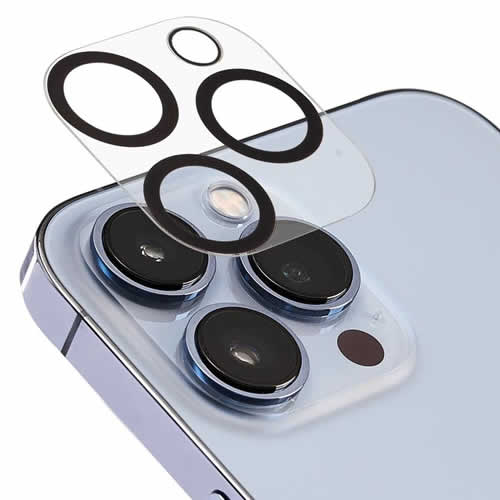
How a Camera Lens Protector Can Save Your Shots from Scratches and Damage
In the world of photography, maintaining the pristine condition of your gear is essential for capturing stunning images. One essential accessory that often goes overlooked is a camera lens protector. By acting as a shield, a lens protector can save your shots from scratches and damage that occur during everyday use. Whether you’re trekking through rugged landscapes or photographing lively events, unexpected hazards like dirt, dust, and accidental bumps can pose a significant threat to your lens. Investing in a high-quality lens protector is a proactive way to safeguard your investment and ensure that your shots remain crystal clear.
Moreover, using a camera lens protector not only helps in preventing physical damage but also maintains the overall quality of your photographs. If your lens gets scratched or dirty, it can lead to compromised image quality, resulting in unwanted distortions or lens flares. By simply attaching a lens protector, you create an additional layer that absorbs impact, reducing the likelihood of scratches on your actual lens. As a result, you'll enjoy peace of mind while focusing on your creative process, knowing that your equipment is well protected and your shots will be nothing short of spectacular.
Counter-Strike is a highly popular first-person shooter game that has captivated players around the world since its inception. It emphasizes teamwork, strategy, and skill as players compete in various game modes, including bomb defusal and hostage rescue. For gamers looking to elevate their mobile experience, check out the Top 10 iPhone 17 Pro Max accessories that can enhance gameplay and functionality.
Top Reasons Every Photographer Should Invest in a Lens Protector
Investing in a lens protector is essential for photographers who want to preserve their valuable equipment. A lens protector acts as a shield against dust, dirt, and scratches that can easily accumulate during outdoor shoots. Protecting your lens not only maintains the quality of your images but also prolongs the lifespan of the lens itself. By using a lens protector, photographers can avoid costly repairs or replacements, ultimately saving money in the long run.
Additionally, a lens protector can enhance the overall shooting experience. When shooting in challenging environments—such as beach settings or during rainy weather—having that extra layer of protection allows photographers to focus on their creativity without the constant worry of damaging their expensive equipment. Moreover, many lens protectors are designed to maintain optical clarity, ensuring that your images remain sharp and vibrant. Thus, investing in a reliable lens protector is a practical choice for every photographer.
Is a Lens Protector Worth It? Evaluating the Benefits for Your Photography Gear
When considering whether a lens protector is worth the investment, it's important to evaluate the potential benefits it can bring to your photography gear. First and foremost, a lens protector serves as a transparent barrier, shielding your lens from scratches, dust, and fingerprints. This layer of protection is essential for maintaining image quality, as even the slightest smudge or scratch can impact your photos. Additionally, most lens protectors are designed to be easily replaceable, meaning that while your main lens is safe from physical damage, you can simply swap out a damaged protector without incurring the cost of a new lens.
Furthermore, using a lens protector can provide peace of mind for photographers, particularly those who often shoot in challenging environments, such as landscapes or outdoor events. The added security allows for a more relaxed shooting experience, knowing your valuable gear is safeguarded. Although some may argue that a lens protector can slightly affect image clarity, advances in coating technology have made high-quality options virtually undetectable in terms of optical performance. Ultimately, the decision to use a lens protector boils down to weighing the cost of protection against the risk of damage, making it a worthy consideration for any serious photographer.