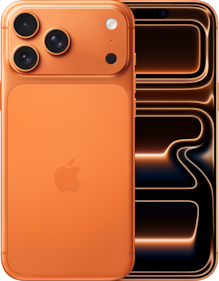
The History of Mobile Devices: From Brick Phones to Pocket Computers
The history of mobile devices is a fascinating journey that has significantly shaped the way we communicate today. It all began in the early 1980s with the launch of the first generation of mobile phones, commonly referred to as brick phones. These bulky devices, such as the Motorola DynaTAC 8000X, weighed over two pounds and offered mere hours of battery life. Despite their limitations, they revolutionized communication by allowing users to make calls without being tethered to a landline. As technology progressed, the introduction of smaller, more efficient models in the 1990s gradually paved the way for the mobile devices we rely on today.
With the advent of the smartphone in the late 2000s, the narrative of mobile devices took a dramatic turn. Companies like Apple and Google transformed the landscape with their groundbreaking operating systems, combining advanced computing power with mobile capabilities. Today, smartphones are more than just communication tools; they are pocket computers equipped with high-resolution cameras, GPS navigation, and access to a plethora of applications that enrich our daily lives. This evolution highlights not only technological advancements but also the growing role of mobile devices in our society, emphasizing their importance in both personal and professional realms.
Counter Strike is a highly popular multiplayer first-person shooter game that has captivated gamers worldwide. Players engage in team-based combat, either by taking on the role of terrorists or counter-terrorists. The game emphasizes strategy, teamwork, and skill, making it a favorite in competitive gaming. For those looking to enhance their gaming experience, check out these Top 10 Android Phone Accessories that can help elevate your play.
5 Surprising Ways Pocket-Sized Technology Has Changed Our Daily Lives
In today's fast-paced world, pocket-sized technology has transformed the way we navigate our daily routines, often in ways we overlook. One of the most surprising impacts is the immediate accessibility to information. With smartphones in our pockets, we can summon a wealth of knowledge on any topic instantaneously. Whether you're looking for a recipe while cooking or checking the latest news on a train commute, the power of information is at our fingertips, reshaping how we learn and engage with the world.
Additionally, pocket-sized technology has revolutionized communication. The introduction of messaging apps and social media allows us to stay connected with friends and family, regardless of geographical barriers. Rather than waiting for the evening to catch up over a call, we can exchange quick messages or share life updates in real-time. This constant connectivity has not only strengthened personal relationships but also fostered new forms of social interaction, creating vibrant online communities where people from all walks of life can connect and collaborate.
What’s Next? The Future of Mobile Technology and Innovation
The future of mobile technology and innovation is poised for transformation as we embrace advancements in connectivity, artificial intelligence, and user experience. With the rollout of 5G networks, we can expect faster data speeds and enhanced connectivity that will revolutionize industries ranging from healthcare to entertainment. For instance, the integration of IoT devices into our daily lives will create a seamless experience, allowing us to interact with a multitude of devices effortlessly. Key technologies such as augmented reality (AR) and virtual reality (VR) will also play a significant role, enhancing mobile applications and creating immersive experiences for users.
Moreover, as we look toward the horizon of mobile innovation, the focus may shift towards sustainability and user-centered design. Companies are increasingly prioritizing environmentally friendly practices, such as utilizing recyclable materials for devices and promoting energy efficiency. The rise of artificial intelligence in mobile apps will further tailor user experiences, making technology more intuitive and responsive to individual needs. Innovations in security, such as biometric authentication and enhanced encryption methods, will also be crucial in protecting user data and privacy. As these trends continue to evolve, the mobile landscape is set to remain dynamic and thrilling.