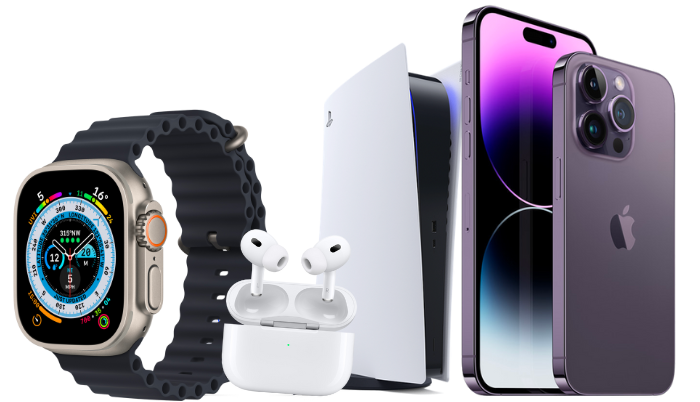
Top 5 Gadgets That Challenge Our Perception of Reality
As technology continues to evolve, our perception of reality is being transformed by an array of innovative gadgets. Here are the Top 5 Gadgets That Challenge Our Perception of Reality:
- Virtual Reality Headsets - These devices immerse users in a completely different environment, allowing them to experience scenarios that feel incredibly real. Innovations from companies like Oculus and HTC are continually pushing the boundaries of how we interact with digital worlds.
- Augmented Reality Glasses - Gadgets like Microsoft HoloLens overlay digital information onto the physical world, changing how we visualize and interact with our surroundings. This technology holds promise for various fields, including education, healthcare, and entertainment.
- 360-Degree Cameras - Capturing everything around them, these cameras provide a level of immersion that traditional photography cannot achieve. They open new avenues for storytelling and sharing experiences, altering how we perceive events.
- Smart Home Devices - These gadgets not only automate tasks but also create a seamless interaction between users and their living environments. By integrating IoT technology, they challenge our understanding of space, comfort, and connectivity.
- Wearable Tech - Devices like smartwatches and fitness trackers not only monitor physical health but also alter how we perceive our well-being and productivity, promoting a more informed and engaged lifestyle.
Counter-Strike is a highly popular tactical first-person shooter game that emphasizes teamwork and strategy. Players can choose to play as either terrorists or counter-terrorists, each with unique objectives. To enhance your gaming experience, check out the Top 10 Samsung Galaxy Accessories that can help improve your setup and performance.
How Virtual Reality is Redefining Our Experiences
Virtual Reality (VR) is revolutionizing the way we engage with the world around us. No longer just a tool for gaming enthusiasts, VR is now redefining various sectors, including education, healthcare, and entertainment. For instance, in education, immersive VR experiences allow students to explore historical sites or complex scientific concepts in a virtual environment that enhances learning and retention. This shift not only makes learning more interactive but also caters to diverse learning styles, improving overall educational outcomes.
Moreover, the impact of Virtual Reality extends into mental health and therapy. VR exposure therapy is being utilized to help individuals confront phobias, anxiety disorders, and post-traumatic stress disorder (PTSD) in a controlled and safe setting. This innovative approach has shown promising results, highlighting how VR can provide immersive experiences that facilitate personal growth and healing. As these technologies continue to evolve, the possibilities for redefining our experiences seem endless.
Are We Living in a Simulation? Exploring Gadgets that Make You Wonder
As we delve into the philosophical question, Are we living in a simulation?, many people find themselves questioning the nature of reality. The advancements in technology and virtual reality have blurred the lines between what is real and what is simulated. With devices like the Oculus Rift and HTC Vive, users can immerse themselves in entirely different worlds, leading to a sense of wonder and doubt about our own existence. These gadgets compel us to contemplate whether our daily lives might also be a crafted experience, influenced by unseen programmers.
Moreover, the rise of artificial intelligence and quantum computing raises profound questions about the limitations of our perception. As we continue to witness machines capable of outperforming humans in various tasks, one cannot help but wonder if our reality is a complex simulation being orchestrated by a superior intelligence. The intersection of these technologies with theories like the Simulation Hypothesis fosters intriguing discussions about the fabric of our world. In this era of rapid technological growth, it seems more reasonable than ever to ponder our existence through the lens of a possible simulation.