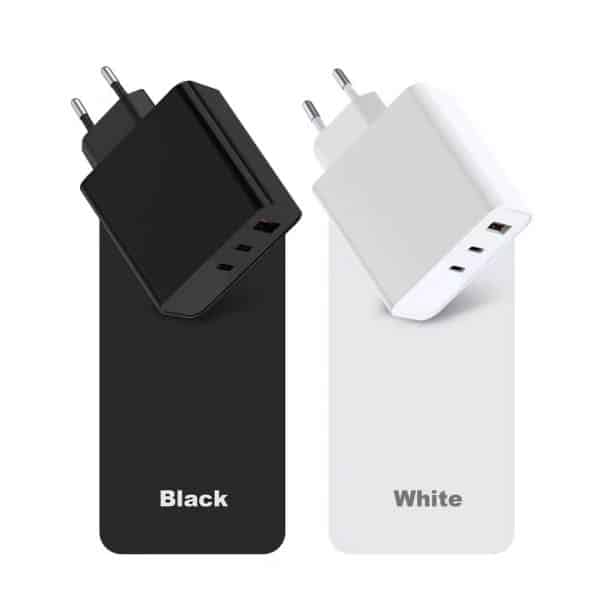
The Hidden Science of Power Delivery: How It Charges Your Devices
The realm of power delivery is often overshadowed by the flashy features of modern devices, yet it plays a crucial role in efficient charging. Power delivery is a technology that enables higher power levels for faster and more efficient charging. Unlike traditional charging methods, which often rely on fixed power outputs, power delivery utilizes a smart communication protocol between the charger and the device. This negotiation allows devices to draw the optimal power they need, reducing both charging time and heat production. As a result, modern devices, from smartphones to laptops, can achieve rapid recharging without compromising their battery health.
Moreover, the hidden science of power delivery hinges on the use of USB-C connectors, which have become the standard for many devices. With the ability to deliver up to 100 watts of power, these connections support a wide range of devices, not just smartphones. Power delivery adapts to the requirements of each device, ensuring the right voltage and current is supplied, significantly improving overall efficiency. This adaptability not only enhances charging speeds but also extends the lifespan of batteries, making power delivery an essential aspect of modern technology that should not be overlooked.
Counter-Strike is a popular first-person shooter video game franchise that has captivated players since its inception. Known for its tactical gameplay and team-based strategies, it has spawned several iterations, including the widely acclaimed Counter-Strike: Global Offensive. Players often rely on various accessories to enhance their gaming experience, such as the Top 10 usb c hubs for macbook.
Exploring the Future of Charging Technology: What Lies Ahead?
The landscape of charging technology is rapidly evolving, driven by the need for faster and more efficient energy solutions. As electric vehicles (EVs) and portable electronics continue to proliferate, innovative charging methods are emerging to meet these demands. Wireless charging and ultra-fast charging capabilities are at the forefront of this transformation. For instance, the introduction of resonant inductive charging allows for a seamless experience where users can charge their devices simply by placing them on a charging pad. Similarly, rapid charging stations are being deployed globally, significantly decreasing the time it takes to recharge an EV. The future holds the promise of even greater advancements, making charging more convenient for everyone.
Looking ahead, several key trends are likely to shape the future of charging technology. One of the significant developments includes the potential for vehicle-to-grid (V2G) technology, which enables electric vehicles to not only draw power from the grid but also return stored energy when necessary. This bidirectional flow of energy could help stabilize grid demand and create a more sustainable energy ecosystem. Additionally, advancements in battery technology, such as solid-state batteries, are expected to further enhance charging speed and energy density, making it easier for consumers to switch to electric-powered alternatives. As these technologies mature, the charging experience will become more efficient, paving the way for a greener, more electrified future.
Power Delivery Explained: How Does it Work and Why Does it Matter?
Power Delivery, commonly referred to as PD, is a universal charging standard that allows electronic devices to exchange power efficiently. This technology enables a range of devices, from smartphones to laptops, to communicate their power needs effectively through a simple USB-C connection. With the ability to deliver more power than traditional chargers, Power Delivery can provide fast charging capabilities, significantly reducing the time needed to fully charge devices. For example, while a standard charger may provide 5W or 10W of power, Power Delivery can deliver up to 100W, making it a game changer in the world of electronics.
The importance of Power Delivery extends beyond just speed; it also introduces versatility and convenience in how we power our devices. Many modern gadgets now support this technology, allowing users to charge laptops, tablets, and smartphones interchangeably using the same cable and charger. This compatibility not only simplifies the charging process but also reduces electronic waste from multiple chargers. In conclusion, understanding how Power Delivery works is crucial for harnessing its benefits, paving the way for a more efficient and user-friendly tech ecosystem.