Understanding Anti-Glare Technology: Benefits for Your Vision
Anti-glare technology has become increasingly important in our visual-centric world, especially as we spend more time in front of screens. This technology works by reducing the intensity of light reflecting off surfaces, which can cause discomfort and strain on the eyes. The benefits of using anti-glare products, such as lenses or screen protectors, are manifold. Not only do they enhance visual clarity, but they also help to minimize eye fatigue and improve overall comfort during prolonged use. As a result, individuals who work long hours on computers or are frequently exposed to bright light environments will find this technology to be a game-changer in maintaining their vision health.
In addition to providing immediate relief from glare, anti-glare technology offers long-term advantages for your eye health. For instance, reducing glare can help lower the risk of digital eye strain, a condition characterized by symptoms such as dryness, irritation, and blurred vision. Furthermore, prolonged exposure to glare can lead to more severe vision problems over time. By incorporating anti-glare solutions into your daily routine, you can enhance your visual experience, improve concentration, and ultimately support the longevity of your vision. Consider investing in anti-glare lenses or treatments to maximize your eye comfort in any light setting.
Counter-Strike is a popular multiplayer first-person shooter game that has captivated gamers since its release. Players form teams and compete in objective-based matches, often focusing on eliminating the opposing team or completing specific objectives. For those looking to enhance their gaming experience, exploring the Top 10 paperlike screen protectors can be beneficial.
How Anti-Glare Coatings Work: A Deep Dive
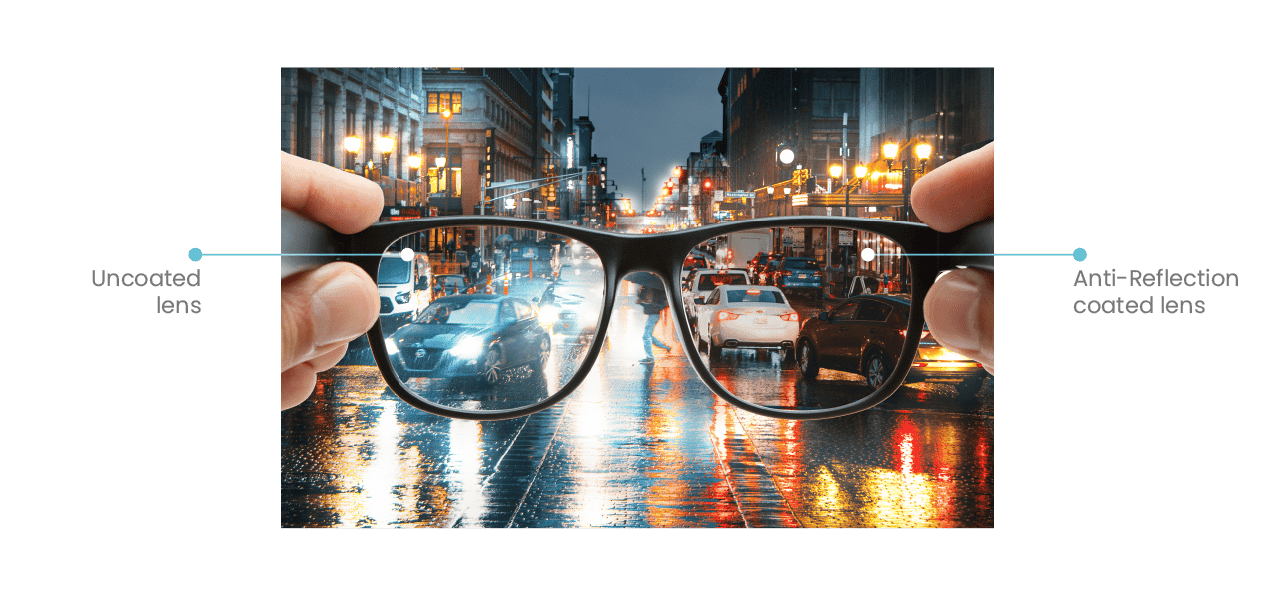
Anti-glare coatings are meticulously designed to enhance visual comfort by reducing the intensity of reflected light. This process primarily involves the application of thin film technologies, which use multiple layers of materials that can either absorb or reflect light at specific angles. When light strikes a surface coated with an anti-glare solution, the thin films interact with the light waves, creating an interference pattern that diminishes the amount of glare and enhances visibility. The effectiveness of these coatings is often measured in terms of their light transmittance, which indicates how much light passes through the lens while minimizing reflections.
There are two main types of anti-glare coatings: hard coatings and anti-reflective (AR) coatings. Hard coatings add a layer of durability, protecting lenses from scratches and ensuring long-lasting clarity. On the other hand, anti-reflective coatings significantly reduce reflections from both sides of the lens, facilitating improved visual acuity. Many modern eyewear products and screens now utilize these technologies, making them essential for users who spend extended periods in front of electronic devices or in brightly lit environments. Understanding how these coatings work not only enhances consumer choices but also informs better maintenance practices for optical products.
The Best Anti-Glare Solutions for Everyday Use: What to Look For
In today’s digital age, glare from screens can be a significant source of discomfort and eye strain. Anti-glare solutions are essential for anyone who spends long hours in front of computers, tablets, or smartphones. When searching for the best options, consider display filters that can be applied directly to your devices. These filters not only reduce glare but also protect screens from scratches. Additionally, it's worth exploring anti-glare coatings available on various devices, typically offered by manufacturers as an option at purchase. Always look for products that provide adequate UV protection to enhance your eye safety.
In terms of selecting the right anti-glare solution, keep these factors in mind:
- Material Quality: Ensure that the filter or coating is made from high-quality materials that offer durability and longevity.
- Ease of Application: Opt for solutions that can be easily applied and removed without leaving residue.
- Compatibility: Check if the product is compatible with your device’s screen size and type.
- Price Range: Compare different brands and prices to find a solution that fits your budget while still meeting your needs.