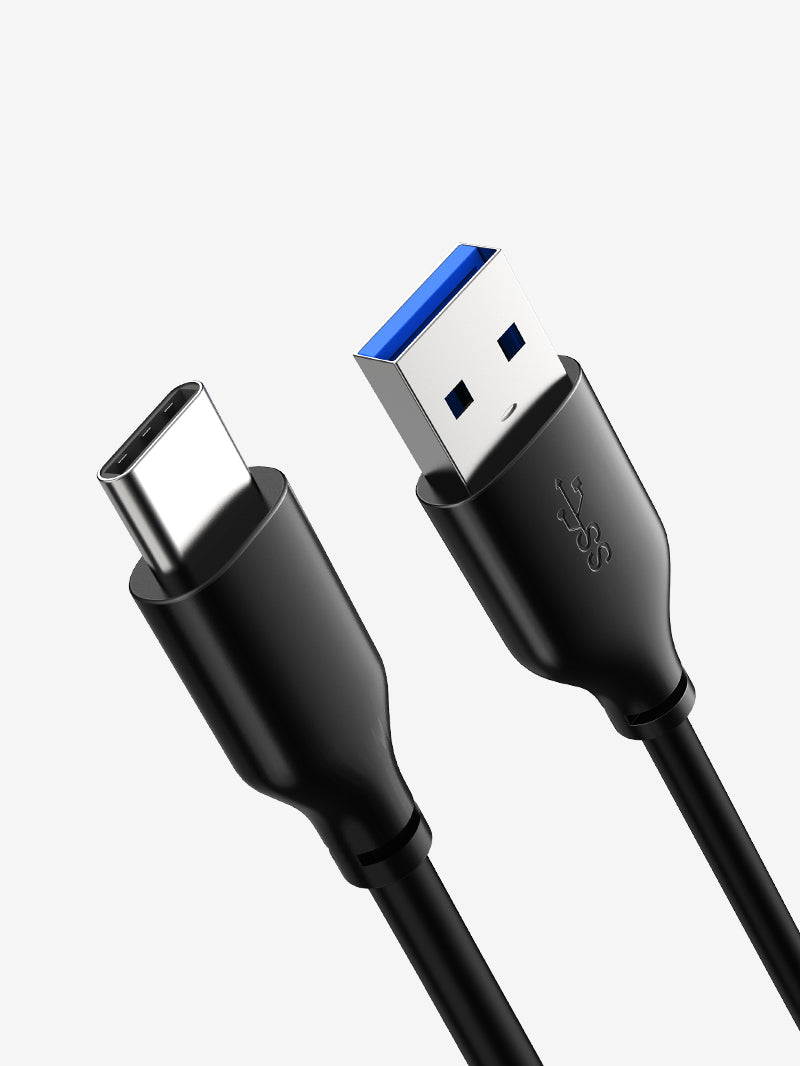
The Evolution of Charging: How USB-C is Changing the Game
The advent of USB-C has marked a significant shift in the way we charge our devices, streamlining the user experience while enhancing versatility. Unlike its predecessors, USB-C offers a reversible connection, meaning you can plug it in either way without worrying about orientation. This simple but effective design change has made charging and data transfer much more intuitive. Furthermore, the USB-C standard supports higher power delivery, allowing devices to charge faster than ever before. For example, laptops can now utilize USB-C to achieve power delivery levels up to 100W, eliminating the need for bulky power adapters.
As the industry gravitates towards a universal charging solution, USB-C is poised to become the standard for not only consumer electronics but also a variety of other devices. From smartphones and tablets to laptops and even electric vehicles, the broad adoption of USB-C encourages interoperability and reduces electronic waste. Major tech companies are beginning to phase out older charging formats in favor of USB-C, aligning with global initiatives aimed at sustainability and efficiency. This transition is not just about convenience; it's about embracing a future where charging happens seamlessly across multiple platforms, forever changing the game of how we power our devices.
Counter-Strike is a highly competitive first-person shooter game that has become a staple in the esports community. Players can engage in intense team-based battles, working together to complete objectives or eliminate the opposing team. For gamers looking to enhance their gaming setup, check out the Top 10 fast chargers for iPhone to ensure your devices are ready for action.
5 Reasons USB-C is the Future of Technology
In today's rapidly evolving tech landscape, USB-C has emerged as a game-changer. Here are 5 reasons why USB-C is poised to be the future of technology:
- Universal Compatibility: Unlike previous USB standards, USB-C is designed to work with multiple devices across various manufacturers, making it a truly universal connector.
- Faster Data Transfer: With speeds of up to 40 Gbps, USB-C supports high-speed data transfer, allowing users to move large files quickly and efficiently.
- Power Delivery: It can deliver up to 100W of power, enabling users to charge laptops and other devices rapidly, reducing the need for multiple charging cables.
- Reversible Design: The USB-C connector is reversible, meaning users can plug it in either way, enhancing usability and convenience.
- Future-proof Technology: As more devices adopt this standard, investing in USB-C accessories ensures compatibility with future technology.
The shift towards USB-C is not just a trend; it's a necessary evolution for modern technology. As we continue to embrace *mobility* and *efficiency*, the advantages of USB-C become increasingly apparent. With its robust capabilities and widespread adoption, it’s clear that USB-C is more than just a connector; it’s a stepping stone to a more streamlined and integrated technological ecosystem.
Is USB-C Really Universal? Debunking Common Myths
The phrase USB-C has become synonymous with convenience and versatility, leading many to believe that it is indeed a universal standard. However, it's essential to understand that while USB-C is a connector type employed across a variety of devices—from smartphones to laptops—this does not mean that all USB-C ports or cables are created equal. For instance, a cable designed for charging a smartphone may not support data transfer at the same speed as a cable meant for a high-performance laptop. Additionally, USB-C can support different protocols, including Thunderbolt 3, meaning that users may encounter compatibility issues if they assume one USB-C cable can perform all tasks.
Another common myth is that all USB-C chargers are interchangeable. While it is true that most modern devices use USB-C for power delivery, the wattage and specifications can vary significantly. Using a lower-watt charger on a high-demand device may result in slow charging or even device malfunctions. Furthermore, the presence of the USB Power Delivery (PD) standard can allow devices to negotiate power requirements, but not every USB-C cable supports this feature. Therefore, before assuming that any USB-C cable or charger will work seamlessly, it's crucial to check compatibility and specifications to ensure optimal performance.